Bwindi Impenetrable Forest
Walk through ancient mist into the presence of mountain gorillas
Why Bwindi Changes Lives
Only 880 mountain gorillas exist in the wild. Half live here. You will walk among them.
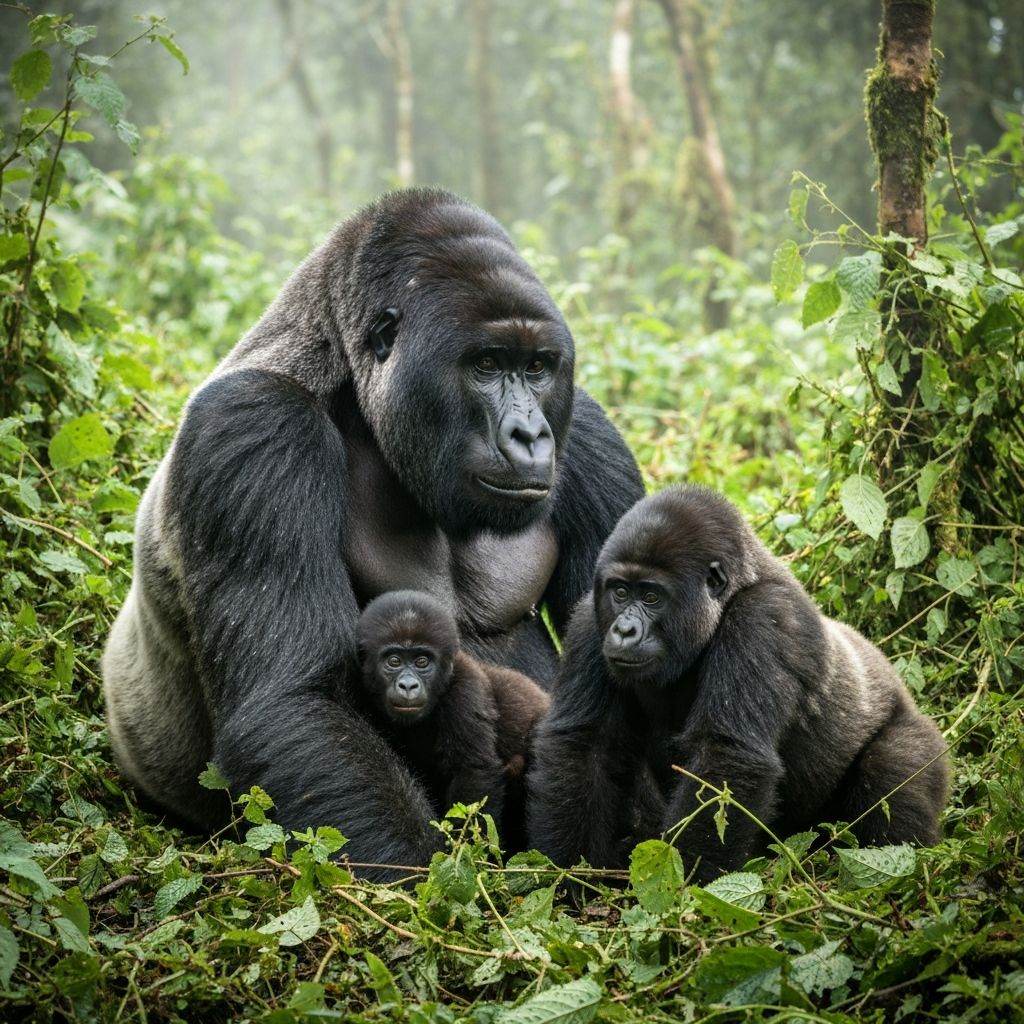
Gorilla Encounters
Face-to-face with a family of mountain gorillas. A moment you'll relive forever.
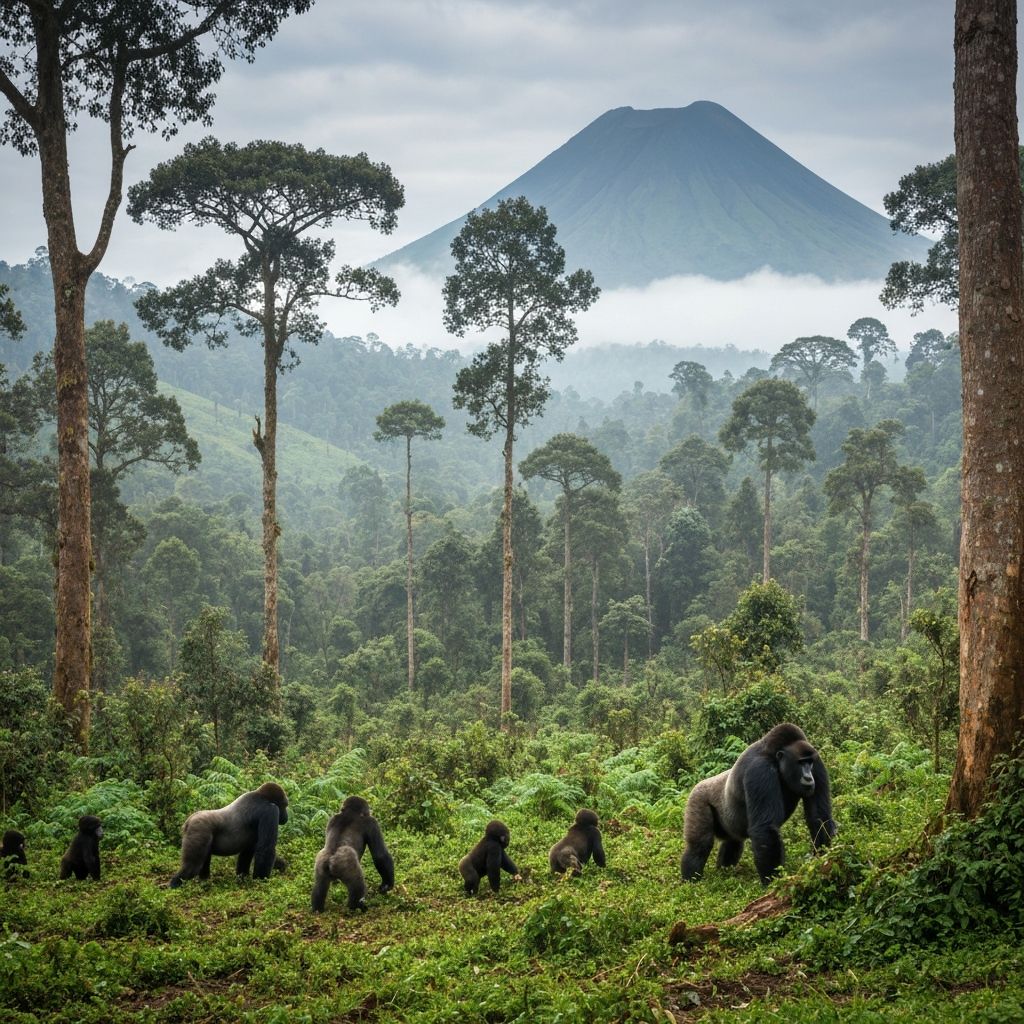
Ancient Forest
32,000 hectares of impenetrable rainforest. Misty, mystical, untouched.
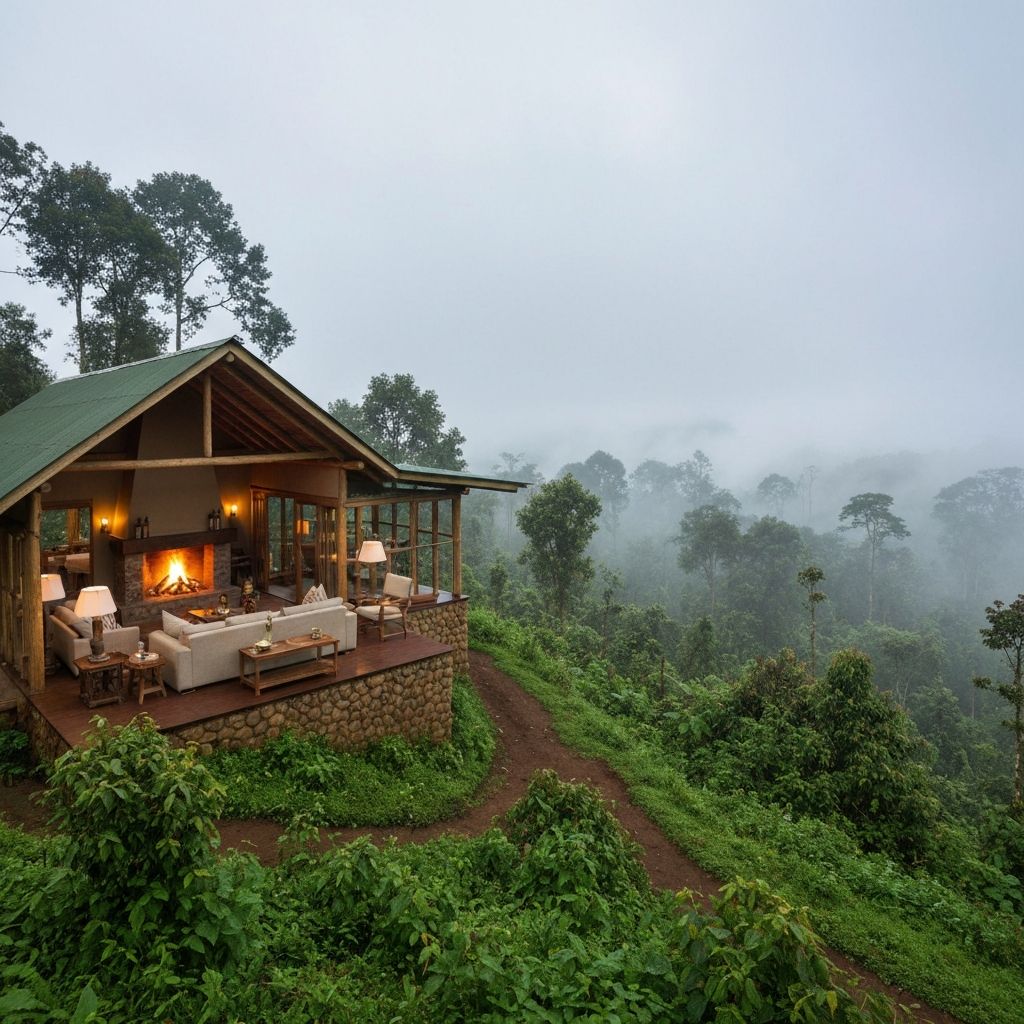
Comfort in the Wilderness
Luxury lodges with views over forest canopy. Hot meals after challenging treks.
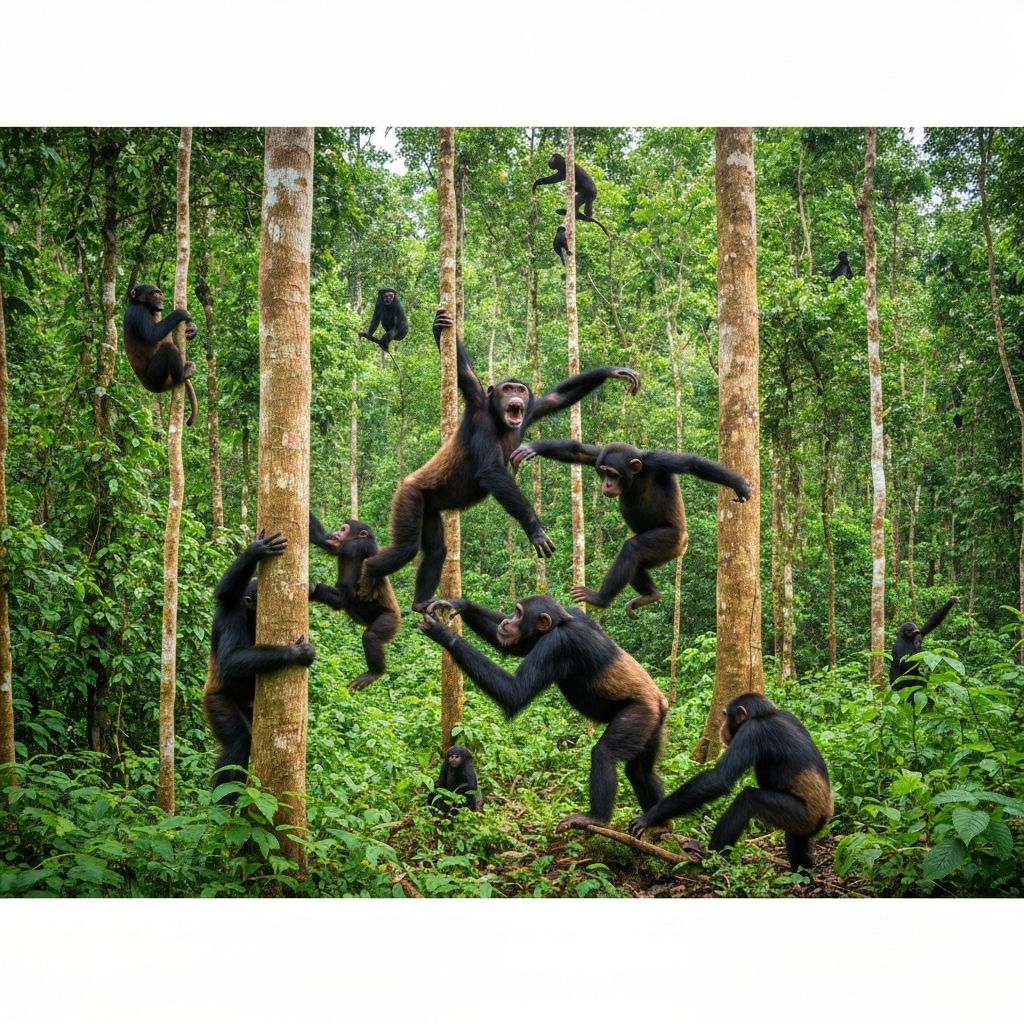
Primate Paradise
13 primate species. Gorillas, chimps, golden monkeys, and more.
One hour face-to-face with a silverback
Pre-Trek Briefing
Meet your ranger. Understand gorilla behavior. Prepare for the hike.
Into the Forest
2-8 hours hiking through cloud forest. Steep, challenging, incredible.
First Contact
You hear it first—grunts, movement. Then you see them. A family of 5-30 gorillas.
One Sacred Hour
You sit. They ignore you. You watch. A mother nurses. A baby plays. A silverback watches you back.
4 Days in the Forest
Arrival at Bwindi
Fly from Kampala to Bwindi. Drive into the forest. Arrive at your mountain lodge overlooking gorilla habitat. Dinner while listening to forest sounds.
Gorilla Trek
Early breakfast. Meet your ranger. Trek into the forest. Find a family of mountain gorillas. Spend one hour in their presence. Pure magic.
Forest Exploration
Rest from yesterday's trek. Guided forest walk to spot other primates, exotic birds, and forest secrets. Visit a Batwa village in the afternoon.
Departure
Final morning walk. Last views of the forest. Transfer to airstrip. Flight back to Kampala with gorillas in your heart.
Book Your Trek
20% Deposit Required · Gorilla Permit Paid Separately ($500 USD)
Other Uganda Wonders
Extend your stay and experience the Pearl of Africa in full.
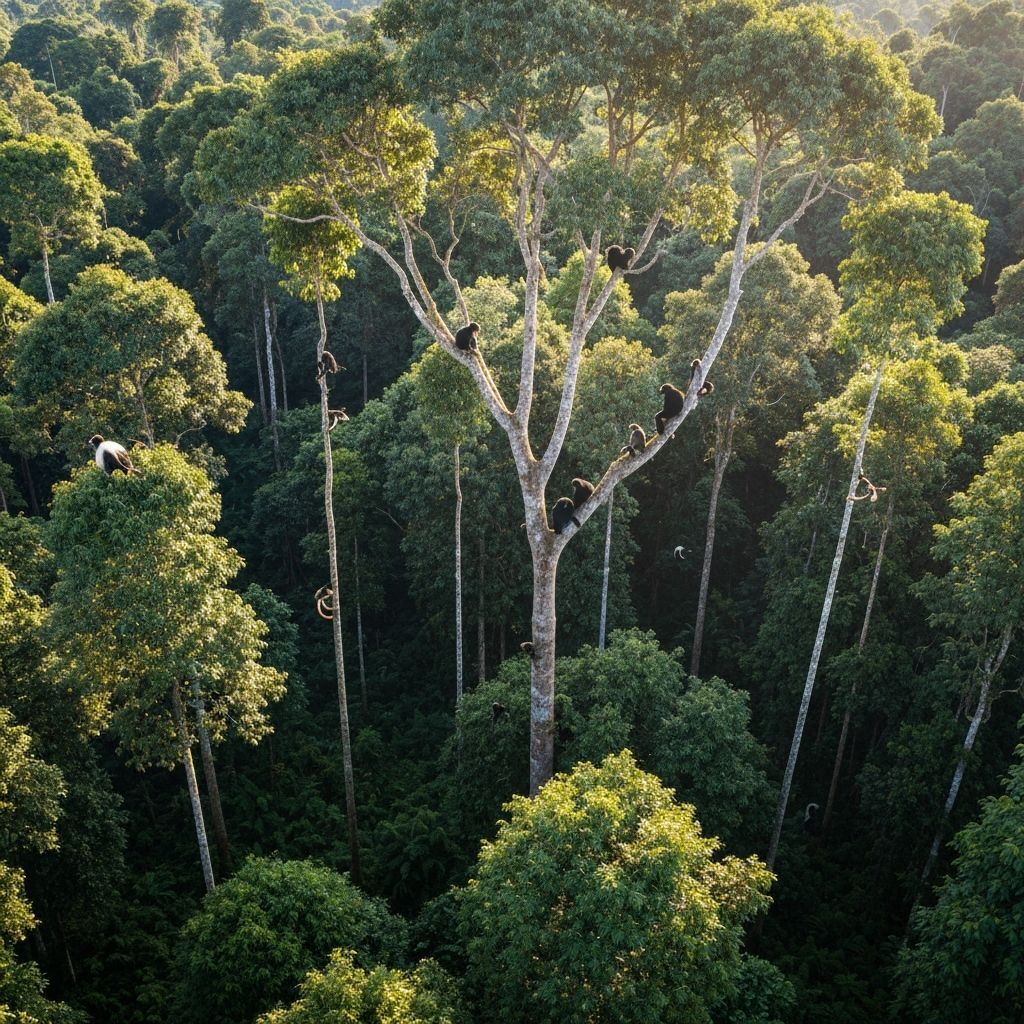
Queen Elizabeth National Park
Lion tree-climbing and chimps in lush vegetation. A hidden gem of the Pearl of Africa.
Kibale Forest
Pristine forest home to 13 primate species. Chimp trekking like nowhere else.
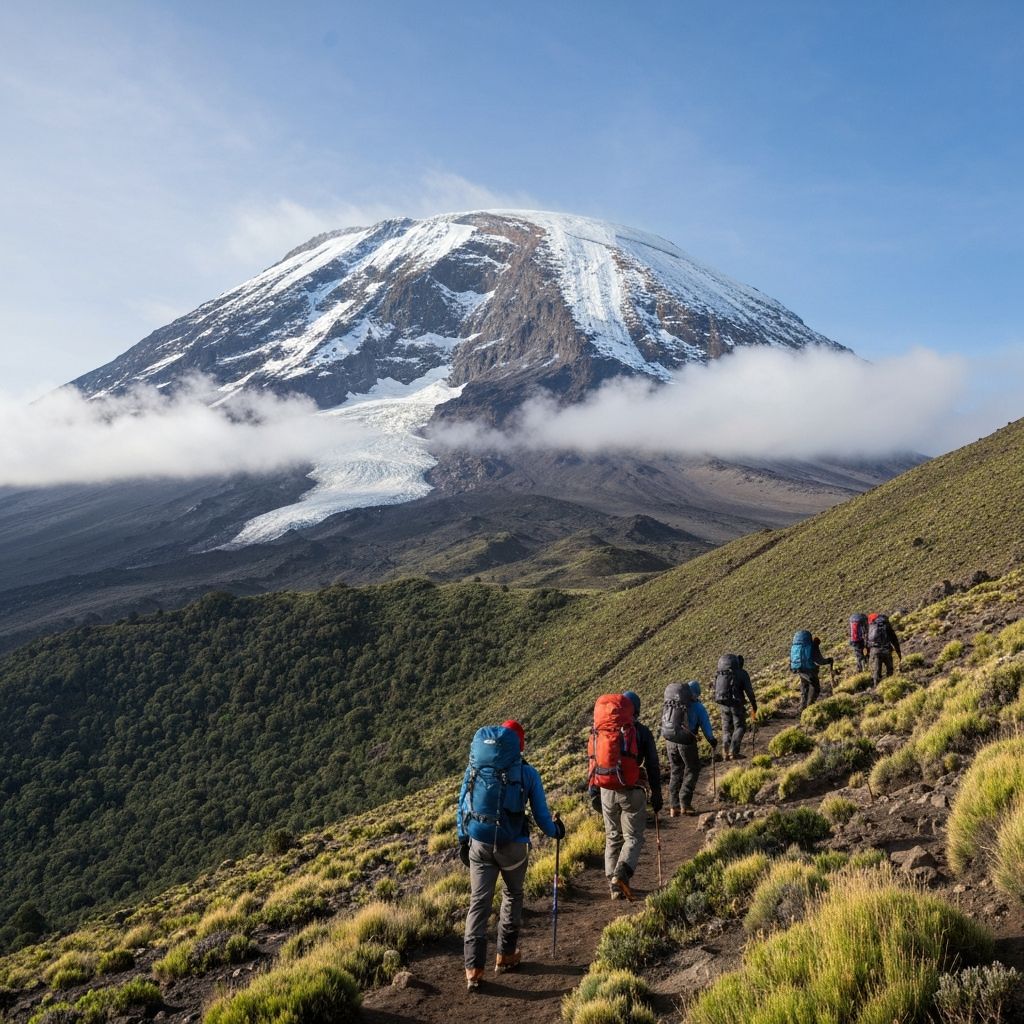
Rwenzori Mountains
The legendary Mountains of the Moon. Multi-day trek through cloud forests.
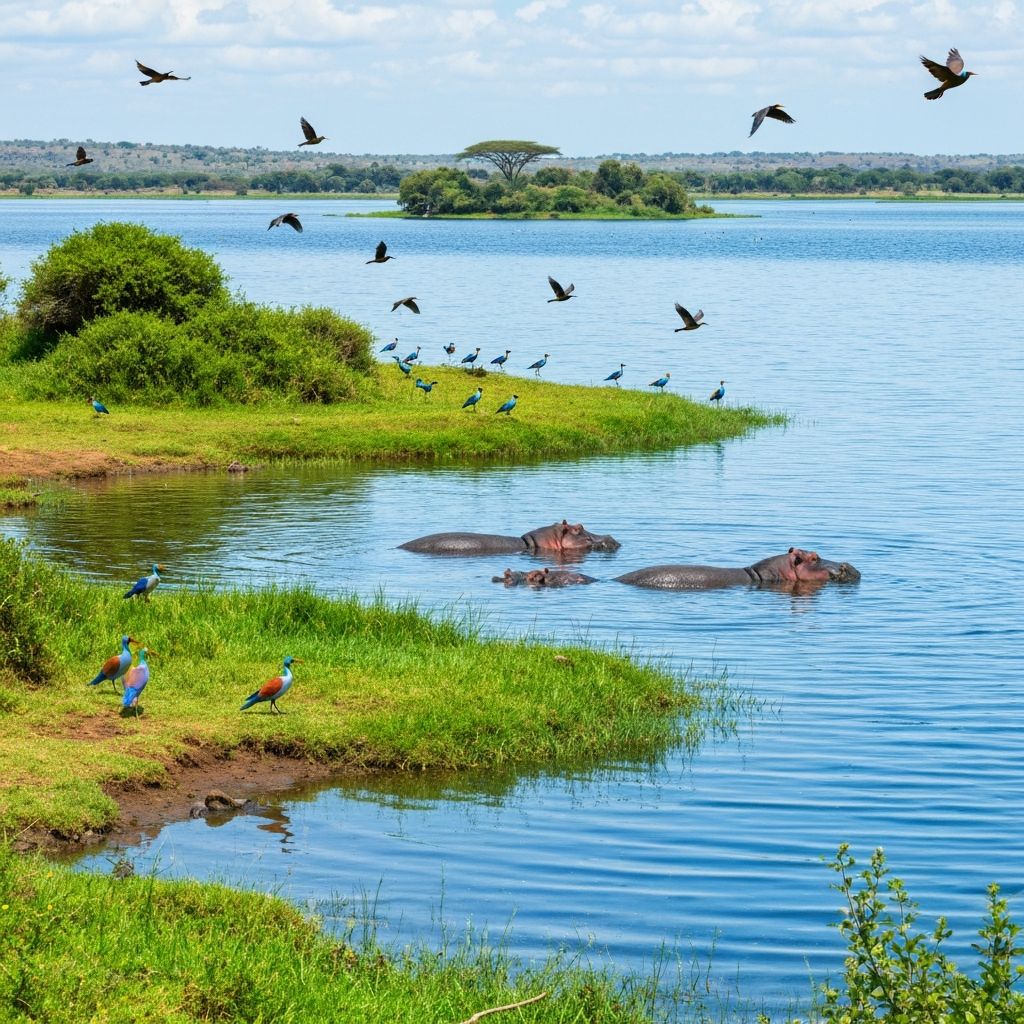
Lake Bunyonyi
Africa's deepest lake with 29 islands. Relaxation and Batwa cultural encounters.